Team Strategies for RAID: Shadow Legends

Clutch Team Strategies for Ranked Fantasy Battles

Elevate your RAID: Shadow Legends ranked games with tournament-level team strategies. Learn how clutch hero picks, tactical synergy, and smart macro calls turn narrow defeats into highlight-reel victories in this fantasy strategy game.

Multiplayer strategy guide Focused on clutch picks, competitive gameplay, and tactical RPG decision-making for Hungary-based players.

Advanced Strategy Fundamentals

Introduction to Advanced Team Strategies

In RAID: Shadow Legends, every ranked match is a tactical RPG puzzle. Your hero picks, aura choices, and turn order create the blueprint for clutch plays. Advanced team strategies connect these elements into a repeatable system that delivers consistent wins instead of one-off lucky moments.

Hero Picks as Win Conditions

From draft lobby to final round

Competitive gameplay in RAID is built on clear win conditions: speed control, crowd control, sustain, or burst execution. Advanced players pick heroes that directly enable these conditions instead of blindly following a game tier list. A so-called S-tier hero can underperform if it does not serve your plan.

Before you lock a hero, ask: What role does this pick play in our clutch moment? Is it setting up a stun chain, enabling a nuke combo, or securing a last-turn revive play that flips the fight?

Synergy, Tempo & Clutch Windows

Maximizing the impact of each turn

Advanced team strategy is about stacking small edges until you unlock a clutch window—a specific turn cycle where your team has the tools to wipe the enemy or fully stabilize. This is where fantasy strategy game design shines: buffs, debuffs, speed tuning, and cooldowns interlock like gears.

Winning squads build towards that moment: speed boosters into defense breaks into nukes, or crowd control chains into sustain and counterattacks. When your whole composition is aligned around a single decisive swing, climbing ranked becomes far more reliable.

Understanding Team Compositions

From Decent Lineups to Championship Contenders

Balanced team compositions are the backbone of every high-rank RAID: Shadow Legends roster. It is not just about stacking high-tier heroes—it is about assembling a squad where each pick amplifies the others, covers weaknesses, and supports a clear tactical identity.

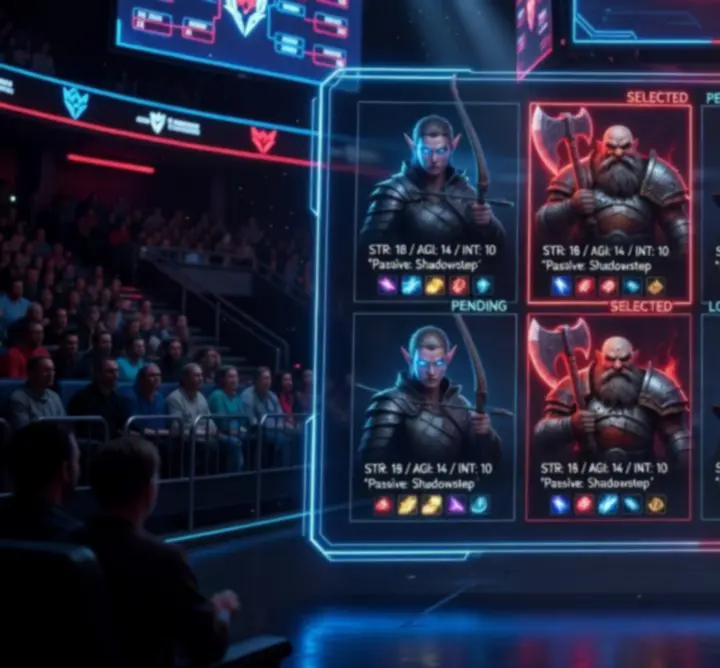
Tactical hero pick screen showing balanced team composition in a fantasy strategy game

Core Archetypes in Competitive Comps

Most stable ranked lineups include a mix of four archetypes. You can flex between them, but skipping one entirely usually makes your team fragile under pressure.

Slot Role Primary Job Clutch Impact
1 Speed / Turn Control Secure first turn or deny enemy turns. Opens clutch combo
2 Setup / Debuff Place defense down, weaken, or crowd control. Extends damage window
3 Main Damage Convert setup into lethal burst. Executes clutch play
4 Support / Sustain Heals, cleanses, revives, or buffs. Saves lost fights

Your goal is not perfect symmetry, but functional coverage. When you review a composition, ask if it can reliably start fights, survive pressure, and deliver a match-ending burst in at least one clean sequence.

Ranked Draft Mastery

Winning Draft Phases: Clutch Picks Explained

In high-level RAID PvP, the match is often tilted during team selection. Clutch picks are those final decisions that either hard-punish the enemy draft or lock in a near-unstoppable synergy line. Understanding this phase separates competitive players from casual fans.

Phase 1 – Stabilize Your Core

Foundation picks

Secure your speed controller and primary damage dealer early. These two heroes define your fantasy strategy game identity—are you explosive burst, control-oriented, or long-fight sustain? Choose comfort picks that you can pilot under pressure.

  • Lock picks that are difficult to hard-counter.
  • Avoid revealing your full plan too early.
  • Respect enemy first-pick power heroes.
Phase 2 – Read & Counter the Draft

Information advantage

Once both sides show 2–3 picks, the draft turns into a multiplayer strategy guide in motion. You are identifying their intended win condition and quietly dismantling it.

  • Identify if they are speed, bruiser, or sustain oriented.
  • Counter their primary damage type (e.g., anti-crit, block buffs).
  • Draft flexible heroes that can pivot to offense or defense.

Phase 3 – The True Clutch Pick

Last-pick decision making

Your final hero should do one of two things: secure your own win condition or break theirs. At this point you know the map, bans, and likely turn order. The clutch pick is rarely flashy—it is ruthlessly effective.

  • Plug any missing utility: cleanse, revive, block damage.
  • Double down on your main combo if they cannot answer it.
  • Choose heroes that scale well into long fights under pressure.

Draft Tip for Hungary-Based Players

On EU servers, speed races are common in prime hours. If your gear cannot reliably contest top-speed teams, specialize in counter-drafting with heavy sustain, reaction accessories, and anti-nuke cores instead of mirroring the meta.

Synergy & Counterplay

Building Synergy While Beating the Meta

RAID: Shadow Legends rewards squads that are greater than the sum of their parts. Synergy is not just about belonging to the same faction or affinity—it is about cooldown alignment, buff layering, and how each hero’s kit unlocks stronger plays for the rest of the team.

Offensive Synergy Patterns

  • Speed boost → Defense down → Weaken → Nuke – classic burst line.
  • Turn meter control → Stun chain → Single-target focus – control-first strategy.
  • Buff extension → Unkillable / Block damage → Delayed nuke – late-swing clutch comp.

Meta Counterplay Lines

  • Into speed nukers: reaction accessories, revive on death, and strong cleansers.
  • Into crowd control: immunity sets, block debuffs, and passive cleanses.
  • Into sustain cores: heal reduction, block buffs, and defensive breakers.

When evaluating a hero tier list, filter it through your own roster. A meta support that unlocks three of your legendaries is often more valuable than a standalone S-tier damage dealer that overlaps with what you already have.

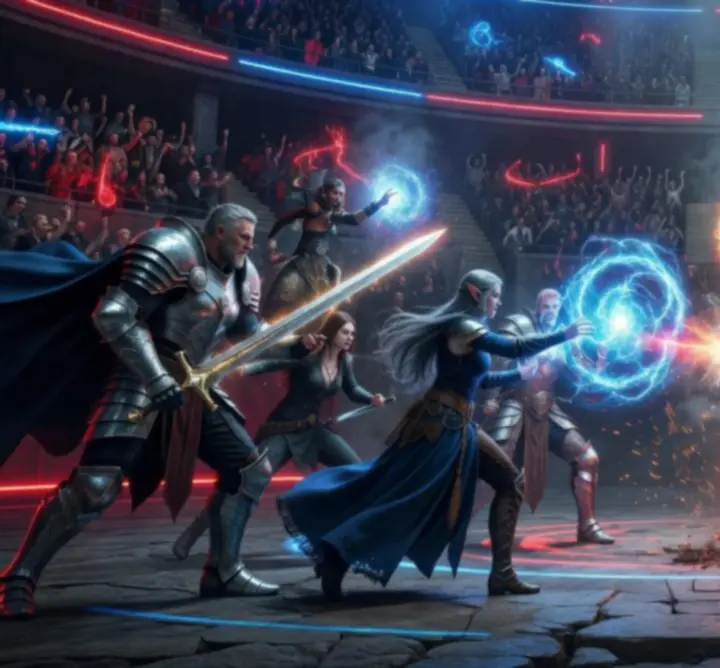
Fantasy heroes battling in an esports-style arena showcasing team synergy and counterplay

Macro vs. Micro Tactics

Macro Planning & Micro Execution in Clutch Moments

Strong teams combine long-term planning with on-the-spot precision. Macro decisions define your overall strategy for a match or even a full climbing session, while micro choices determine whether a single fight becomes a highlight-reel clutch play or a throw.

Macro-Level Decisions

Macro is everything you decide before the fight starts or between matches. In a tactical RPG like RAID, macro planning includes:

  • Selecting which arena teams to queue into or dodge.
  • Defining your main and backup win conditions for each lineup.
  • Choosing gear sets, speeds, and resistance thresholds.
  • Preparing multiple team templates for different enemy archetypes.

Solid macro makes your hero picks and team strategies resilient. Even if a fight goes off-script, your baseline stats and composition give you room to improvise.

Micro-Level Decisions

Micro is what happens inside the battle: targeting priorities, ability usage, and risk-taking in live scenarios. Micro skill transforms good compositions into elite ones.

  • Choosing whether to secure a kill or spread debuffs for the next turn.
  • Holding a cleanse for a predicted control chain instead of using it early.
  • Delaying a big nuke until key buffs or debuffs land.
  • Recognizing when to pivot from your plan and play for survival.

Clutch plays are usually micro decisions built on macro foundations. You prepared the tools – now you are choosing the perfect moment to use them.

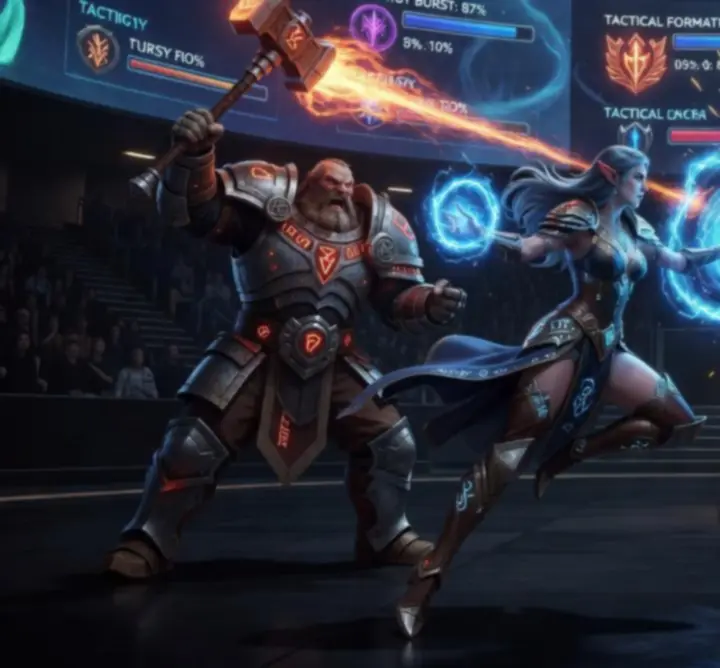
Legendary arena combat scene with fantasy heroes in a high-intensity team fight

Case Study

Legendary Clutch Team Fights Broken Down

Let us dissect a classic late-night EU arena battle where a lower-CP team outplayed a meta-heavy opponent through precise hero picks and mid-fight adaptation.

Scenario: Underdog vs Meta Rush

  • Enemy game plan: High-speed turn one nuke comp, aiming to delete the backline immediately.
  • Your comp: Slightly slower, featuring a cleanser, reaction accessories, and a revive-focused support.
  • Clutch pick: Final-slot reviver with strong support buffs, chosen specifically to punish failed one-shot attempts.

Key Turning Points

  1. Enemy wins the speed race but fails to kill two heroes due to reaction procs.
  2. You hold your cleanse for the second control wave, eating the first debuff set intentionally.
  3. Your reviver brings back the nuker, layering defense buffs and block debuffs.
  4. With enemy cooldowns burned, your team executes a full combo and swings the match.

The victory hinged on a single concept: drafting for survivability, not parity. Instead of mirroring the meta, your team was engineered to win the exact moment their “perfect” opener failed by a small margin.

Dynamic Strategy

Adapting Your Strategy Mid-Season & In-Game

RAID: Shadow Legends is constantly evolving through patches, balance changes, and shifting meta priorities. To stay competitive, you must adapt your strategy at two levels: long-term roster planning and moment-to-moment decision-making.

Adjusting Builds for New Threats

When new heroes or sets dominate the meta, the fastest upgrade is often a build pivot, not a new legendary. Swap from pure damage to hybrid survivability, raise resistance thresholds, or tune speed to beat specific breakpoints.

Use your existing roster in new ways before investing heavy resources—flexible builds give you time to read the meta correctly.

Shifting Roles in Live Fights

In a tough match, your intended carry may get focused early. Clutch players instantly reassign roles: a support becomes the primary win condition, or a secondary damage dealer steps up as the closer.

Train yourself to ask: “Given what is alive right now, what is my best realistic win condition?” and play ruthlessly towards that.

Session-Based Strategy for Ranked

Across a full climb session, track which opponents, maps, or affinities give you trouble. Rotate between prepared teams instead of forcing a single lineup into every fight.

This macro awareness keeps your overall win rate high, even when individual matches are unpredictable.

Avoiding Pitfalls

Common Mistakes & How to Avoid Them

Even strong players drop ranked points due to repeatable, avoidable errors in drafting, loadouts, and in-game execution. Clean these up, and you will feel your climb stabilize almost immediately.

Mistakes in Drafting

  • Picking heroes because they are high on a global game tier list, not because they fit your plan.
  • Revealing your primary win condition too early in the draft.
  • Ignoring enemy affinity matchups and obvious counters.
  • Refusing to dodge hard-counter team archetypes.

Fix: Treat the draft like a chess opening. Have prepared lines, and know when to pivot or back out.

Mistakes in Loadouts

  • Over-investing in crit damage without enough accuracy or speed.
  • Using identical builds on multiple heroes instead of role-specific tuning.
  • Underestimating resistance and accuracy thresholds for high-rank lobbies.
  • Forgetting that survivability stats often enable more clutch plays than raw damage.

Fix: Start from your desired turn order and win condition, then build gear to serve that, not the other way around.

Mistakes in Execution

  • Auto-battling critical early turns where manual decisions matter.
  • Blowing key cooldowns into block buffs or weak targets.
  • Tunneling on kills instead of protecting your true win condition hero.
  • Failing to recognize when a game is lost and learning nothing from it.

Fix: Manually play the first few turns of important matches and review replays to spot patterns.

Interactive Strategy Tools

Build Simulators & Tier List Dashboards

Clutch Pick is designed as a practical multiplayer strategy guide hub for RAID: Shadow Legends players in Hungary. Use interactive tools to prototype teams, optimize builds, and track hero performance across patches.

Team & Build Simulator

Experiment with hypothetical compositions, stats, and aura choices before committing your resources in-game.

  • Visualize effective HP, speed tuning, and turn order.
  • Compare different gear setups on the same hero.
  • Plan specialized squads for arena, dungeons, and clan boss.

The simulator uses approximate combat rules for fast iterations. Always validate final builds in-game before high-stakes ranked play.

Live Hero Tier List Dashboards

Stay ahead of meta swings with role-based hero rankings tailored to competitive gameplay:

  • Tier lists filtered by role, affinity, and game mode.
  • Patch-aware scores that adjust with balance changes.
  • Synergy tags that highlight heroes who excel together.
S Tier Core competitive picks
A Tier Reliable ranked staples
B Tier Situational or synergy-dependent

Next Steps: Turn Theory into Ranked Wins

Use these advanced strategies to shape your own clutch-ready lineups in RAID: Shadow Legends. Combine optimized hero picks, precise builds, and disciplined execution to climb the ladder consistently.